Why Park Triangle Corporate Plaza Has Become One of the Most Sought-After Business Addresses in BGC
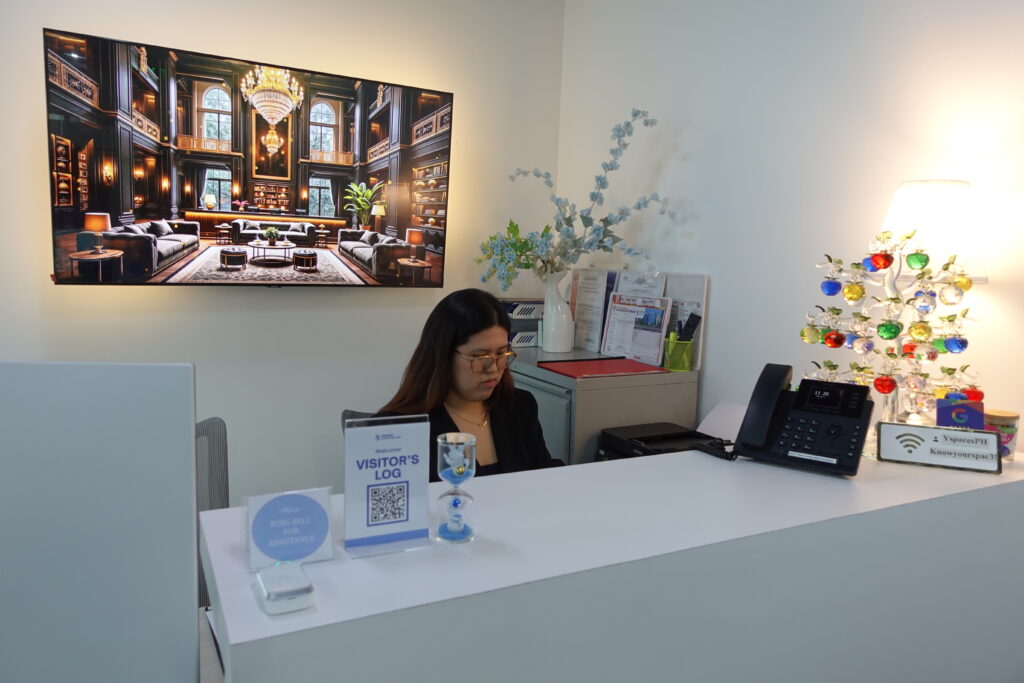
In business, location still matters. Not because clients are impressed by an address alone. Not because executives enjoy dropping well-known building names into conversations. Location matters because it affects perception, accessibility, credibility, and opportunity. That is why companies investing in a Virtual Office BGC solution are becoming increasingly selective about where their business address is located. They do not simply want a commercial address. They want an address that strengthens their brand. And few addresses in Bonifacio Global City carry the same level of business appeal as Park Triangle Corporate Plaza. For startups, consultants, online sellers, remote teams, foreign companies, and growing enterprises, the building has quickly become one of the most desirable locations for establishing a professional presence in Metro Manila. Your Business Address Is Part of Your Brand Many entrepreneurs focus heavily on logos, websites, and marketing. Those matter. But clients evaluate credibility through multiple signals. Your business address is one of them. Think about how people react when they see a company operating from a premium business district compared to an unknown residential address. The difference is immediate. A professional address communicates stability. It suggests structure. It creates confidence. That is one reason why businesses continue investing in Virtual Office BGC solutions even when their teams operate remotely. The address works around the clock, strengthening perception every time it appears on proposals, invoices, websites, permits, and business registrations. Park Triangle Corporate Plaza Sits in the Heart of BGC Location inside BGC is important. Location within BGC can be even more important. Park Triangle Corporate Plaza is strategically positioned at the corner of 32nd Street and 11th Avenue, placing businesses at the center of one of the country’s most active commercial districts. The building is surrounded by corporate offices, restaurants, hotels, retail establishments, entertainment venues, and major transportation routes. This matters because accessibility affects business relationships. Clients appreciate convenient meeting locations. Employees appreciate shorter travel times. Partners appreciate being able to reach your office without logistical headaches. A premium location removes friction. And business often moves faster when friction disappears. A Class A Business Environment Creates Instant Credibility Not all commercial buildings are equal. The building where your business is registered becomes part of your professional identity. Park Triangle Corporate Plaza is a Class A office development completed by a subsidiary of Ayala Land. The property features modern architecture, premium facilities, double-glazed glass systems, advanced security infrastructure, and LEED-certified green building design. These details may seem technical. Clients notice them. Investors notice them. Business partners notice them. When people visit your location, the building itself reinforces professionalism before the meeting even begins. Virtual Offices Are No Longer Just for Startups A common misconception is that virtual offices exist only for small businesses. That is outdated thinking. Today, companies of all sizes use virtual office services strategically. Consulting firms. Technology companies. International businesses. Marketing agencies. Remote-first organizations. E-commerce brands. Many of these businesses no longer see value in maintaining large offices that sit partially empty throughout the week. Instead, they prioritize flexibility while maintaining a strong business presence. A Virtual Office BGC solution allows companies to project professionalism while preserving capital for growth initiatives such as hiring, marketing, product development, and expansion. The Best Virtual Offices Offer More Than an Address The difference between an average virtual office and a valuable one often comes down to support. An address alone has limited value. Businesses eventually need meeting rooms. Mail handling. Reception assistance. Business registration support. Workspace access. Professional facilities for client interactions. This is where Know Your Space has positioned itself differently. Operating from Park Triangle Corporate Plaza, Know Your Space provides flexible workspace solutions designed to support businesses at different stages of growth. Services include virtual offices, coworking memberships, private offices, meeting rooms, event spaces, and business support services. The result is a workspace ecosystem rather than a simple mailing address. Business Registration Becomes Simpler Many entrepreneurs first explore a Virtual Office BGC because they need a professional address for registration requirements. Using a commercial business address often creates a cleaner and more professional foundation than relying on residential locations. Know Your Space specifically supports the use of its address for SEC, DTI, BIR, and local government registration purposes, helping businesses establish a legitimate commercial presence inside BGC. For founders, that consistency becomes valuable. The same address appears across permits, registrations, contracts, banking records, websites, and customer-facing materials. Professionalism becomes easier to maintain. Remote Teams Still Need Physical Infrastructure Many companies operate remotely. That does not eliminate the need for occasional physical collaboration. Clients request meetings. Teams need planning sessions. Investors want presentations. Training sessions happen. Partnership discussions take place. A Virtual Office BGC becomes significantly more valuable when it is connected to real workspace infrastructure. Know Your Space allows virtual office members to access meeting rooms, collaborative spaces, and professional facilities when required, creating a bridge between remote operations and physical business needs. The Building Reflects the Ambition of the Companies Inside It Successful companies pay attention to alignment. Their branding aligns with their service quality. Their operations align with their growth goals. Their business address aligns with the image they want to project. Park Triangle Corporate Plaza has become attractive because it represents the type of environment ambitious companies want to associate with. Modern. Accessible. Professional. Strategically located. The building’s position within BGC gives businesses access to one of the country’s most dynamic commercial ecosystems while maintaining the prestige associated with a premium business address. Why More Businesses Are Choosing Know Your Space Choosing a virtual office provider is not simply about finding the lowest monthly fee. Businesses want reliability. They want support. They want flexibility. They want a location that strengthens their reputation. Through its location at Park Triangle Corporate Plaza, Know Your Space provides businesses with a premium BGC address alongside flexible workspace solutions that can evolve as the company grows. Whether the need is business registration, client meetings, coworking access, private offices, or event spaces, businesses can access multiple services through a
Co-working Space in BGC, Taguig

The rapid evolution of modern corporate strategies has made it clear that a static desk is no longer enough to sustain business growth. For scaling companies, freelancers, and distributed teams, an office must function as a dynamic hub. Specifically, this is a place where collaborative energy transitions smoothly into high-impact brand presentations. This operational need is precisely why forward-thinking enterprises prioritize finding a premium co-working space in BGC. Consequently, they look for event and meeting room access to serve as their primary base of operations. Establishing a physical footprint in Bonifacio Global City instantly positions a brand at the epicenter of Philippine commerce. In doing so, it grants smaller startups and independent consultants the same corporate prestige enjoyed by massive multinational companies. By choosing an all-inclusive shared office ecosystem, organizations can eliminate exhausting logistics. For example, they save on facility management, equipment procurement, and maintenance overhead. As a result, this allows their leaders to focus entirely on building strategic partnerships and expanding their market share. Reserve a seat here. Ultimately, navigating the competitive digital economy demands an agile workplace model that seamlessly bridges the gap between remote independence and physical collaboration. Transitioning to a hybrid work solution in BGC, Taguig with virtual and physical office capabilities ensures that an enterprise remains highly resilient and completely adaptable to fluctuating market conditions. For organizations handling sensitive client data, intellectual property, or proprietary technology, utilizing secure private office space for rent in BGC, Taguig on a monthly basis delivers the perfect balance of absolute workspace privacy and shared community luxury. Embedding your operations within a premium, fully managed workspace like YSpaces at Park Triangle Corporate Plaza gives your business a powerful competitive advantage, unlocking maximum creative output, seamless client interactions, and sustained operational momentum in the heart of the city’s premier commercial district. By anchoring your brand here, you gain access to high-tier executive networks, exceptional lifestyle amenities, and a highly accessible location that top talent naturally gravitates toward, turning your daily workplace into a powerful tool for retention and corporate acceleration. By: Aleixa Ruth M. Rebujio
Meeting Room BGC: Why Serious Businesses Are Moving Beyond Coffee Shops and Hotel Lobbies

A lot of important decisions happen in ordinary places. Coffee shops. Hotel lounges. Restaurants. Even over video calls. But as businesses grow, those spaces start creating problems. Background noise interrupts presentations. Privacy disappears. Internet becomes unreliable. Clients get distracted. Teams struggle to collaborate effectively. What should have been a productive discussion becomes something everyone just wants to finish. That is why more professionals searching for a meeting room BGC are not simply looking for four walls and a table. They’re looking for an environment that helps conversations move forward. Because the quality of the room affects the quality of the meeting. And sometimes, the meeting changes everything. First Impressions Still Influence Business People decide faster than they admit. Clients evaluate professionalism before the presentation even starts. Investors notice details. Potential partners pay attention to the environment. Nobody says it out loud. But everyone notices. Walking into a proper meeting room creates confidence. Clean spaces. Comfortable seating. Modern presentation tools. Reliable internet. Privacy. Professional atmosphere. Those details shape perception. And perception influences trust. That’s why companies that care about relationships pay attention to where those relationships are built. Remote Work Created a Different Problem The shift to hybrid work solved many challenges. It reduced overhead. Improved flexibility. Expanded access to talent. But it also created a new need. Teams still need to gather. Clients still want face-to-face meetings. Leaders still need strategy sessions. Interviews still happen. Presentations still matter. Businesses that no longer maintain large offices need flexible spaces where important conversations can happen without distractions. That explains why demand for meeting room BGC solutions continues to increase. Companies are no longer paying for conference rooms they rarely use. They’re paying for access when they actually need them. And that model makes more sense. Privacy Changes the Conversation People speak differently when they know nobody else is listening. Financial discussions become easier. Strategy becomes more honest. Negotiations become smoother. Brainstorming becomes more productive. Try discussing acquisition plans in a crowded café. Or presenting sensitive numbers while strangers sit beside you. Professional conversations deserve professional spaces. A dedicated meeting room creates psychological safety. People focus. Ideas flow. Decisions happen faster. That difference is difficult to quantify, but impossible to ignore. Technology Should Never Slow Down a Meeting Nothing kills momentum faster than technical problems. The HDMI cable does not work. The WiFi disconnects. The screen freezes. The audio cuts out. Ten minutes disappear. Then twenty. Energy disappears with it. Professional meeting spaces eliminate those distractions. Modern businesses expect seamless presentations, stable connectivity, and reliable audiovisual tools. Not because technology is impressive. Because technology should disappear into the background. People should focus on ideas, not equipment. BGC Remains One of the Best Places to Meet Location matters. Busy executives appreciate convenience. Clients appreciate accessibility. Teams appreciate not spending two hours in traffic before a one-hour meeting. Bonifacio Global City remains one of the country’s strongest business districts because everything is within reach. Restaurants. Hotels. Corporate offices. Banks. Parking facilities. Commercial centers. A centrally located meeting room BGC setup removes friction. People arrive on time. Meetings start on schedule. Schedules become easier to manage. Those seemingly small details create better experiences. And better experiences strengthen relationships. The Cost of Poor Meetings Is Higher Than People Think Businesses lose opportunities because of bad meetings. Not because people lacked expertise. Because communication failed. Presentations became disorganized. Distractions stole attention. Decisions got delayed. Misunderstandings multiplied. Poor environments create hidden costs. The opposite is true as well. Good meetings accelerate execution. Ideas become clearer. Clients gain confidence. Teams align faster. Momentum improves. The room itself does not guarantee results. But it removes obstacles that prevent results. That distinction matters. Not Every Company Needs a Full Office Traditional offices made sense when businesses operated differently. Large teams. Daily attendance. Fixed schedules. Long-term leases. Today’s companies are far more flexible. Remote teams. Hybrid arrangements. Project-based collaboration. Distributed operations. Many businesses no longer need permanent conference rooms sitting empty five days a week. They simply need access to professional spaces when important moments happen. Meeting rooms solve that problem elegantly. Pay for usage. Avoid unnecessary overhead. Stay flexible. Maintain professionalism. Modern businesses appreciate that balance. Internal Meetings Matter Just as Much Meeting rooms are not only for clients. Some of the most important conversations happen inside the company. Leadership planning. Quarterly reviews. Marketing sessions. Hiring interviews. Training workshops. Product discussions. Creative brainstorming. Working remotely creates flexibility. But physical collaboration still creates energy. Sometimes teams simply need a dedicated environment where they can focus without distractions. A proper meeting room provides exactly that. Why Businesses Choose Know Your Space for Meeting Room BGC Needs Professionals looking for a meeting room BGC often need more than just a table and chairs. They need an environment built for productivity. That’s exactly what Know Your Space offers. Located at Park Triangle Corporate Plaza in Bonifacio Global City, their meeting rooms are designed for presentations, team discussions, client meetings, and strategy sessions. The spaces are equipped with modern AV tools and designed to provide smooth, uninterrupted collaboration. The location itself becomes an advantage. Being situated at the heart of BGC gives businesses easy access to restaurants, retail establishments, hotels, and transportation options, making it convenient for clients and teams alike. The facility also benefits from being inside a Class A office building with modern infrastructure and security features. Businesses that book through Know Your Space gain access to professional surroundings without the burden of maintaining their own conference facilities. That flexibility matters. Especially for startups, agencies, consultants, remote teams, and growing companies that value efficiency. Better Spaces Create Better Conversations Nobody remembers a meeting because the chairs were beautiful. People remember clarity. Ideas. Decisions. Progress. But environment quietly influences all of those things. A noisy venue creates distractions. Poor internet creates frustration. Lack of privacy creates hesitation. Professional spaces create focus. And focus creates better outcomes. That’s why searching for a meeting room BGC is no longer just about finding available space. It is about
Meeting Room Rentals Are Replacing Coffee Shops for Serious Business Conversations
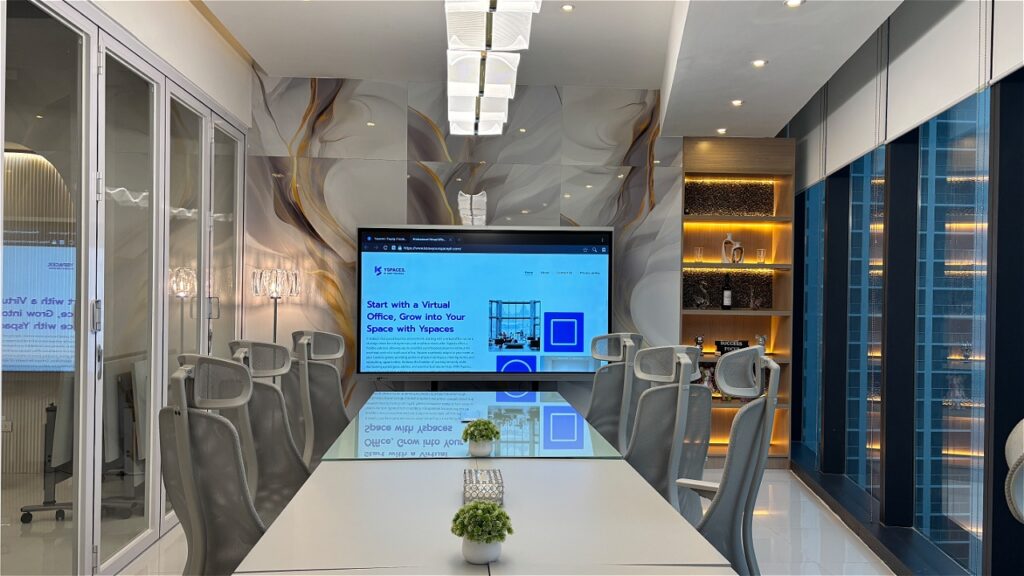
There was a time when coffee shops were the default meeting place. A quick client discussion. A project update. A brainstorming session over coffee. It worked. Until the conversations became more important. Confidential discussions became harder with strangers sitting two tables away. Video presentations became awkward because of poor internet and background noise. Teams struggled to focus. Clients noticed the distractions. At some point, businesses realize that environment influences outcomes. That is why demand for a professional meeting room continues to grow. Companies no longer want to gamble important conversations on unpredictable spaces. They want a setting designed for focus, privacy, and professionalism. And in BGC, where business moves quickly and first impressions matter, having access to the right meeting room can change the quality of every conversation. The Setting Matters More Than Most People Think Ideas can happen anywhere. Decisions usually happen somewhere better. A major proposal. A board meeting. An investor pitch. A client presentation. These conversations deserve more than unstable WiFi and the sound of espresso machines in the background. People may not consciously mention the environment, but they react to it. Professional spaces communicate preparedness. Clients feel more confident. Teams stay more focused. Discussions move faster because the room itself supports the objective. The room becomes part of the experience. And that experience influences trust. Hybrid Work Created a New Need Many businesses no longer maintain large offices. Teams are distributed. Employees work remotely. Executives travel constantly. Companies operate leaner than before. But remote work created a new challenge. There are still moments when people need to gather physically. Quarterly reviews. Training sessions. Sales presentations. Strategy meetings. Hiring interviews. Instead of paying for office space that remains empty most days, businesses are choosing on-demand meeting rooms that provide professional infrastructure only when needed. This shift makes operational sense. Flexibility has become more valuable than permanence. Privacy Changes the Quality of Discussions Sensitive conversations deserve privacy. Whether discussing financial performance, legal matters, product roadmaps, or confidential client information, businesses need spaces where people can speak openly. That becomes difficult in public places. A dedicated meeting room removes those distractions. Conversations become sharper. People contribute more freely. Presentations become easier. Decisions happen faster. Small details create large differences in communication quality. First Impressions Still Matter Business remains human. People form opinions quickly. When clients walk into a well-designed meeting room, they immediately notice the atmosphere. Professional seating. Modern presentation tools. Reliable internet. Comfortable surroundings. It creates confidence before the discussion even begins. That confidence matters. Especially for consultants, agencies, law firms, startups, financial advisors, and service businesses where trust directly affects revenue. A meeting room is not about showing off. It is about creating an environment that reflects the quality of the work behind it. Technology Should Never Become the Problem Every business meeting relies on technology. Screens. Video calls. Presentations. Internet connectivity. Audio systems. The problem is that improvised venues often create technical interruptions that kill momentum. Five minutes lost troubleshooting becomes twenty. Attention disappears. Energy drops. Professional meeting rooms eliminate that friction. Reliable infrastructure allows teams to focus on the conversation instead of managing avoidable problems. That alone can improve the effectiveness of meetings significantly. Teams Need Space to Think Not every meeting involves clients. Some of the most important conversations happen internally. Leadership planning. Brainstorming sessions. Product development. Marketing strategy. Performance reviews. Working remotely offers flexibility, but creativity often benefits from physical interaction. The right meeting room creates a focused environment where ideas can move freely without distractions. Sometimes businesses do not need a full office. They simply need the right space at the right moment. BGC Continues to Be One of the Best Places for Business Meetings Location affects convenience. And convenience affects attendance. Bonifacio Global City remains one of the country’s leading business districts because everything is within reach. Restaurants. Hotels. Banks. Parking. Transportation. Corporate offices. Accessibility matters when coordinating meetings with busy executives and clients. Choosing a meeting room in BGC allows companies to bring people together in a central location without unnecessary travel complications. That convenience improves punctuality and creates a better experience for everyone involved. Why Businesses Prefer Meeting Rooms Over Long-Term Office Costs Traditional offices are expensive. And for many companies, they are unnecessary. A growing number of businesses operate remotely while using flexible spaces only when collaboration becomes necessary. Meeting rooms fit perfectly into that model. You pay for what you need. No long-term commitments. No maintenance. No wasted square footage. No empty conference rooms collecting dust. This allows businesses to stay lean without sacrificing professionalism. The Best Meeting Rooms Support More Than Meetings The ideal meeting room does not simply provide tables and chairs. It supports execution. High-speed internet. Modern AV equipment. Presentation screens. Reception assistance. Comfortable seating. Coffee and refreshments. An environment that allows people to focus. That is where spaces like Know Your Space stand out. Located in the heart of BGC, Know Your Space provides professionally designed meeting rooms built for businesses that value productivity, privacy, and flexibility. Whether it is a client presentation, a leadership session, or a team workshop, the environment is designed to help conversations move forward without unnecessary distractions. Their meeting rooms are equipped with modern audiovisual tools and are built to support seamless discussions, allowing businesses to present ideas with confidence. The location inside Park Triangle Corporate Plaza also provides easy access to restaurants, commercial establishments, and other business conveniences that professionals appreciate. Better Meetings Produce Better Results People often underestimate the cost of poor meetings. Miscommunication. Delayed decisions. Lost opportunities. Weak presentations. Unproductive discussions. Those costs compound over time. The opposite is also true. Focused meetings accelerate execution. Ideas become clearer. Decisions become faster. Clients become more confident. Teams become aligned. The environment does not create success by itself. But it removes obstacles that prevent success. That distinction matters. Businesses Are Becoming More Intentional About Space Executives are thinking differently today. They are no longer measuring success by the size of their office. They are measuring effectiveness.
Virtual Office for Online Sellers Philippines: Is It Worth It for Your E-commerce Business?

Selling online has never been easier. You can launch a store in a day, list products on marketplaces, promote them on social media, and start receiving orders almost immediately. Whether you sell through your own website, TikTok Shop, Shopee, Lazada, or multiple channels at once, the barriers to entry are lower than ever. What has not changed is the need to operate like a real business. As online stores grow, they encounter questions that go beyond inventory and marketing. Where should the business be registered? What address should appear on official documents? How do you separate personal life from business operations? What happens when banks, suppliers, or corporate clients require a professional business address? For many entrepreneurs, the answer is a virtual office. That is why searches for virtual office for online sellers Philippines continue to increase. More e-commerce founders are discovering that a virtual office is not just about having an address. It is about creating a stronger operational foundation while keeping costs under control. Running an Online Store Does Not Mean You Should Use Your Home Address Many online sellers begin from home. It is practical, affordable, and often the fastest way to start. But using a residential address for business purposes can create challenges as the company expands. Official correspondence may arrive at your personal residence. Business documents may display your home address. Clients, suppliers, or partners may associate your company with a location that was never intended for commercial use. A virtual office provides a clear separation. It allows your business to maintain a professional address while you continue operating wherever it makes the most sense, whether that is from home, a warehouse, or a remote team spread across different cities. For entrepreneurs who value privacy and professionalism, this distinction becomes increasingly important. Professional Image Matters in E-commerce Many people assume branding in e-commerce is limited to logos, packaging, and product photography. In reality, trust is built through dozens of small signals. Your website. Your customer support. Your invoices. Your return policies. Your business address. Corporate buyers, suppliers, and even financial institutions often evaluate these details when deciding whether to work with a company. A professional virtual office can strengthen that perception by presenting your business as organized and credible from the beginning. While customers may never visit the address physically, they often appreciate knowing that the business operates from a recognized commercial location rather than an anonymous residential property. A Virtual Office Helps Keep Overhead Low Online selling is competitive. Margins can fluctuate because of advertising costs, shipping fees, platform commissions, and inventory expenses. Keeping fixed costs manageable allows businesses to adapt more easily when market conditions change. Leasing a traditional office may not make financial sense for a seller whose operations are primarily digital. A virtual office offers an alternative. Instead of committing to rent, utilities, office furniture, and maintenance, entrepreneurs can direct more resources toward inventory management, marketing campaigns, customer acquisition, or technology improvements. The objective is not simply to spend less. It is to spend wisely. Business Registration Becomes Easier to Manage Many online sellers eventually formalize their operations. They register their businesses, open corporate bank accounts, work with accounting professionals, and establish long-term supplier relationships. Having a professional business address can simplify these administrative processes and provide consistency across official records. It also helps maintain a clear distinction between personal and commercial activities. As operations grow, that organization reduces confusion and creates a more structured foundation for expansion. Marketplace Success Often Leads to Bigger Opportunities A seller may begin by fulfilling individual consumer orders. Then wholesale inquiries arrive. Corporate gifting opportunities appear. Retail partnerships become possible. Suddenly, the business is dealing with organizations that expect a higher level of professionalism. A virtual office supports that transition. It signals that the company has invested in its business presence and is prepared to operate beyond the informal startup stage. While products remain the primary focus, presentation still influences confidence. Remote Teams Need Centralized Business Infrastructure Not every online business has employees working in one location. Customer service representatives may operate remotely. Marketing specialists may be freelance contractors. Warehouse teams may be based elsewhere. Leadership may travel frequently. A virtual office acts as a stable administrative anchor despite this distributed structure. Mail handling, official correspondence, and business identity remain centralized even when day-to-day operations occur across multiple locations. For modern e-commerce businesses, this flexibility aligns naturally with digital-first operations. Privacy Should Not Be Overlooked Publishing a residential address on business materials can create unnecessary exposure. Entrepreneurs often prefer to keep personal and professional lives separate, especially as their brands become more visible. A virtual office helps maintain that boundary. Customers, suppliers, and official correspondence use the business address instead of a private residence, reducing privacy concerns while presenting a more professional image. This benefit alone is enough for many founders to explore virtual office solutions. Growth Does Not Always Require a Traditional Office There is a common misconception that every successful business eventually needs a large headquarters. That is no longer true. Many thriving e-commerce brands operate with distributed teams, fulfillment partners, and cloud-based systems while maintaining only the physical infrastructure they genuinely need. For these businesses, flexibility is an advantage. A virtual office supports that strategy by providing business presence without unnecessary commitments. If operations eventually require dedicated workspace, many providers also offer access to meeting rooms, coworking environments, or private offices. The transition can happen when it makes business sense, not because tradition demands it. Suppliers and Partners Appreciate Stability As online stores mature, they interact with manufacturers, logistics companies, payment providers, and business service organizations. These relationships often involve contracts, documentation, and long-term planning. A stable business address contributes to confidence during those interactions. It demonstrates that the company is building structured operations rather than functioning solely as an informal side project. That perception can support stronger commercial relationships over time. A Virtual Office Complements E-commerce Scalability One of the greatest strengths of online selling is scalability. Businesses can increase
Virtual Office Near Me: What Businesses Should Look for Before They Sign Up

Typing “virtual office near me” into a search engine seems like a simple task. But the results can be misleading. Some providers offer little more than a mailing address. Others include business support, meeting room access, mail handling, and flexible workspace options that can genuinely help a company grow. The difference is significant, especially for startups and small businesses trying to establish credibility without taking on the cost of a full-time office. The cheapest option is not always the smartest one. A virtual office becomes part of your business identity. It appears on registration documents, invoices, marketing materials, and client communications. Choosing the right provider is less about saving a few thousand pesos and more about building a foundation that supports long-term growth. If you are searching for a virtual office near me, here is what should actually influence your decision. A Business Address Is More Than a Pin on the Map Your business address says something before you ever speak to a client. A professional location creates confidence. It tells potential customers, suppliers, and partners that your company operates with structure and legitimacy. That does not mean every business needs an expensive headquarters. It means your registered address should reflect the image you want to project. For consultants, agencies, e-commerce brands, technology companies, and remote teams, a virtual office offers a practical way to establish that presence without committing to the cost of a traditional office lease. The address becomes a business asset rather than a financial burden. Convenience Should Not Be the Only Reason You Choose a Provider The phrase “near me” naturally emphasizes location. That makes sense if you expect to collect mail regularly or schedule occasional in-person meetings. But convenience should not outweigh quality. A provider that is five minutes closer but lacks professional support services may become a limitation later. Think beyond travel time and consider how the virtual office will serve your business over the next several years. Ask practical questions. Can mail be received securely? Are meeting rooms available when needed? Is there staff on-site to assist visitors? Can the provider accommodate future growth if your business expands? Choosing well now prevents operational headaches later. Business Registration Is Often the Primary Reason Companies Need a Virtual Office For many entrepreneurs, the first reason to secure a virtual office is business registration. A registered business address is required for various legal and administrative processes, and using a professional location often presents a stronger image than relying on a residential address. This is especially valuable for founders working from home who prefer to separate personal life from business operations. It also creates consistency across permits, banking records, contracts, invoices, and official correspondence. As the company grows, having that professional address already established reduces administrative friction. The Right Virtual Office Supports Client Confidence Clients notice details. A polished proposal paired with a professional business address reinforces trust. It signals that the company takes its operations seriously. That perception becomes especially important when serving corporate customers or international partners who may never visit your office in person. They evaluate professionalism through every available touchpoint. Your website. Your communication. Your documentation. And yes, your address. A virtual office can strengthen those impressions while allowing the business to remain operationally lean. Mail Handling Is More Valuable Than It Sounds Many founders assume they rarely receive physical mail anymore. Then government correspondence arrives. Bank documents arrive. Legal notices arrive. Courier deliveries arrive. Managing those communications reliably matters. Professional mail handling reduces the risk of missing important documents and ensures business correspondence is managed consistently. Some providers also offer forwarding services or notifications when mail arrives, making administration easier for owners who travel frequently or work remotely. Small conveniences often become major operational advantages over time. Meeting Space Can Become Essential Overnight A company may operate remotely for months without issue. Then a major client requests an in-person meeting. Or investors visit. Or the leadership team needs a private planning session. Suddenly, a business that never thought it needed physical space requires it immediately. Virtual office providers that also offer meeting rooms or coworking facilities provide flexibility when those moments arise. Instead of scrambling to find a venue, businesses can access professional spaces designed for presentations, negotiations, and collaboration. That readiness supports growth without forcing permanent office commitments. Scalability Should Be Part of the Decision A startup with two founders today could have ten employees next year. Business needs change quickly. The best virtual office providers understand this and create pathways for growth. Some allow companies to upgrade into coworking memberships, dedicated desks, or private offices while maintaining continuity of address and support services. This flexibility helps businesses expand naturally instead of undergoing disruptive relocations every time requirements change. Planning for scalability from the beginning often saves both money and time. Privacy Is an Overlooked Advantage Many entrepreneurs start businesses from home. While convenient, using a residential address publicly can raise privacy concerns. A virtual office creates separation between personal and business life. Official correspondence goes to a professional location rather than a home. Public-facing materials display a commercial address instead of a private residence. For sole proprietors, freelancers, and home-based entrepreneurs, that distinction offers both professionalism and peace of mind. Cost Savings Create Opportunities Elsewhere Choosing a virtual office instead of leasing traditional office space frees capital that can be invested into areas with greater growth potential. Marketing campaigns. Website development. Employee hiring. Product improvements. Technology infrastructure. Customer acquisition. Those investments often generate measurable returns while expensive office space may remain underutilized. The goal is not simply to spend less. It is to allocate resources where they create the greatest business impact. That philosophy helps companies scale sustainably. Community Can Add Unexpected Value Some virtual office providers are connected to coworking environments or entrepreneurial communities. This creates opportunities beyond administrative support. Networking events. Educational workshops. Business introductions. Collaboration opportunities. Access to professionals across different industries. For founders building companies from the ground up, these connections can lead to partnerships,
Why Smart Businesses Start With a Virtual Office Before Getting a Physical Office

The old way of starting a business was expensive from day one. Rent an office. Buy furniture. Sign a long lease. Hire administrative staff. Spend heavily before revenue even stabilizes. A lot of companies collapsed before they even had a chance to grow because they confused appearance with readiness. That mindset is disappearing now. Modern businesses are leaner, faster, and far more strategic about where money goes during the early stages. Founders today understand that survival depends less on looking big and more on staying financially flexible long enough to scale properly. This is exactly why the demand for a virtual office continues to grow across startups, consultants, agencies, e-commerce brands, remote teams, and foreign companies entering the Philippine market. A virtual office is no longer viewed as a temporary workaround. For many businesses, it is the smartest operational starting point available. Especially during the stage where cash flow matters more than office aesthetics. A Virtual Office Solves the Problem Most Startups Face Most businesses do not fail because the idea is bad. They fail because operational costs suffocate momentum too early. Office rent becomes a monthly pressure before the business even establishes predictable income. Founders spend money trying to appear established instead of investing into sales, marketing, systems, or talent acquisition. A virtual office changes that equation immediately. Instead of carrying the full burden of a physical office, businesses gain access to a professional business address, mail handling, administrative support, and corporate credibility without absorbing unnecessary overhead. That matters more than many entrepreneurs realize. Because during the early stages, flexibility is survival. The businesses that stay alive long enough to adapt usually outperform the ones that overspend trying to look successful immediately. Credibility Matters Earlier Than Founders Expect Some entrepreneurs underestimate how much business perception affects opportunity. Clients look at addresses. Banks look at addresses. Partners look at addresses. Government registrations require addresses. Investors notice them too. A home address rarely creates the same level of trust as a professional business district. This is one reason why virtual office providers inside major commercial areas continue attracting growing companies. Businesses want the operational advantage of premium business presence without immediately carrying premium office costs. And honestly, it makes strategic sense. A startup operating remotely can still establish legitimacy through a professional virtual office setup while keeping operations lean behind the scenes. That balance becomes powerful during early growth stages. Modern Businesses No Longer Need Massive Offices The workplace changed permanently. Many companies discovered during the past few years that large office footprints were not actually improving productivity the way executives assumed. Some teams performed better remotely. Others shifted into hybrid structures. Many businesses realized they only needed meeting spaces occasionally instead of maintaining oversized offices daily. That realization accelerated the growth of virtual office services worldwide. Companies became more focused on functionality rather than tradition. If employees can collaborate digitally and clients can be served effectively, businesses begin questioning whether heavy office commitments still make operational sense during early stages. In many cases, they do not. At least not yet. A Virtual Office Creates Financial Breathing Room Cash flow gives businesses options. Without cash flow, even strong companies become vulnerable. A virtual office protects liquidity during the period where businesses are still validating operations, building customer bases, and stabilizing revenue. Instead of tying capital into lease deposits, renovations, furniture procurement, utility setup, and maintenance costs, businesses can allocate resources toward growth. Marketing. Hiring. Technology. Sales infrastructure. Customer acquisition. Those investments usually create stronger long-term returns than expensive office commitments early on. This is especially true for startups, agencies, consultants, e-commerce brands, software companies, and service businesses where operations are not heavily dependent on physical infrastructure initially. Smart founders understand that every peso spent early must justify its impact on growth. A large office often does not. Remote Work Changed Employee Expectations Employees evaluate work differently now. Many professionals no longer view daily office attendance as necessary for productivity. Flexibility became one of the most valuable workplace benefits across industries. Businesses adapted accordingly. A virtual office allows companies to maintain professional business presence while supporting distributed or hybrid work structures. That flexibility matters for recruitment. It matters for retention too. Talented employees increasingly prioritize autonomy, work-life balance, and operational flexibility. Businesses forcing outdated office structures without clear operational purpose often struggle to attract strong people now. This does not mean physical offices disappeared entirely. It simply means businesses are becoming more intentional about when physical space is truly necessary. Foreign Companies Entering the Philippines Prefer Lean Entry Strategies International companies expanding into the Philippines rarely begin with massive office investments immediately. They usually start lean. Market validation comes first. Operational testing comes second. Scaling happens later. A virtual office allows foreign companies to establish local business presence, secure registrations, maintain communication channels, and build credibility without committing aggressively before understanding market conditions fully. This approach reduces risk substantially. Especially during expansion phases where operational variables remain uncertain. For many international companies, a virtual office becomes the first step toward eventual larger expansion once business activity stabilizes locally. Founders Gain More Operational Flexibility Flexibility is one of the most underrated advantages in business. Rigid structures become dangerous during uncertain markets. A virtual office gives founders room to adapt quickly. Teams can scale without immediately relocating. Businesses can pivot operational models without expensive office restructuring. Founders can focus on building systems before building physical infrastructure. This becomes extremely important during unpredictable growth stages. Some businesses scale rapidly. Others evolve slowly. A flexible operational structure allows businesses to respond intelligently instead of being trapped by fixed overhead commitments. A Professional Address Still Carries Weight Some people pretend business addresses no longer matter. That is not reality. Location still influences perception heavily. A professional address affects how clients, suppliers, financial institutions, and partners view a business. Even digital-first companies benefit from this. A virtual office creates separation between personal identity and business identity. That distinction matters operationally and psychologically. It signals seriousness. Especially when
Searching for “Coworking Space Near Me” Usually Means Your Business Has Outgrown Working Anywhere

Most people do not randomly search for “coworking space near me.” Something usually triggered it. Maybe the house has become too distracting. Maybe client meetings inside coffee shops are starting to feel unprofessional. Maybe the team is growing and communication is getting messy. Maybe productivity has quietly collapsed after months of working remotely. Or maybe the business simply reached a stage where working anywhere is no longer good enough. That search is often less about office space and more about operational readiness. Because eventually, every serious business reaches the same realization: Environment affects execution. A lot more than people admit. Remote Work Was Convenient, Until It Started Slowing Things Down Remote work solved many problems initially. Lower overhead. No commute. Flexible schedules. Faster hiring. For startups and small businesses, it created breathing room financially. But over time, many teams started experiencing the downside too. Communication became fragmented. Collaboration became slower. Boundaries disappeared. Focus weakened. Even high-performing employees started struggling with isolation, distractions, or burnout without realizing it immediately. And for founders, the situation often became worse. Work invaded everything. Calls during meals. Meetings inside bedrooms. Laptop always open. No mental separation between operating the business and living life. This is where many professionals start looking for a coworking space near me. Not because they suddenly want corporate life again. Because they need structure back. Coffee Shops Are Not Built for Serious Operations A lot of businesses try stretching the café setup longer than they should. At first, it feels productive. Eventually, the limitations become obvious. Weak internet. Noise. Lack of privacy. Limited charging outlets. No meeting spaces. No professional environment for sensitive discussions. And honestly, constantly buying coffee just to justify occupying a table all day becomes operationally ridiculous after a while. Client perception becomes another issue. Meeting a potential partner in a noisy café might work once. Doing it repeatedly starts affecting how people evaluate the business. Professionalism matters. Especially when dealing with enterprise clients, investors, or high-value contracts. A proper coworking environment solves these issues immediately without forcing businesses into expensive traditional office commitments. People Work Differently Inside Better Environments This part gets underestimated constantly. Workspace directly affects performance. Not through motivational posters or trendy furniture. Through psychology. When people enter a focused environment surrounded by professionals building companies, productivity shifts naturally. Energy changes. Urgency improves. Focus becomes easier. Conversations become sharper. A good coworking space near me search is often really a search for momentum. Because environment either supports execution or slowly drains it. There is very little middle ground. Businesses Need Flexibility More Than Ever Traditional office leases were built for a completely different era. Long commitments. Large upfront costs. Fixed infrastructure. Rigid scaling. That model no longer fits how modern businesses operate. Teams change quickly now. Hiring shifts constantly. Some employees work remotely full-time. Others operate hybrid schedules. Project-based teams scale up and down throughout the year. A coworking setup aligns far better with this reality. Businesses gain workspace when needed without carrying unnecessary operational weight during periods where flexibility matters more. This becomes especially important for startups, agencies, consultants, remote teams, freelancers, and international companies establishing local presence. They need infrastructure. But they also need adaptability. Coworking gives them both. “Near Me” Matters More Than People Think Convenience affects consistency. A workspace that requires exhausting commutes eventually becomes a burden no matter how beautiful the office looks online. That is why proximity matters heavily when people search coworking space near me. They are not only searching for desks. They are searching for operational sustainability. Accessible locations reduce friction. Shorter travel times improve energy levels. Better surrounding infrastructure improves day-to-day operations. This becomes especially valuable inside major business districts where transportation, restaurants, banks, and commercial services are integrated closely together. Location influences productivity far more than most businesses calculate properly. Coworking Spaces Quietly Improve Accountability Working remotely requires discipline. Not everybody manages it well long-term. Even strong employees benefit from environmental accountability. Being physically present inside a productive workspace changes behavior naturally. People focus more. Deadlines feel more real. Communication becomes faster. Tasks get completed with greater urgency. This does not mean employees need constant supervision. It simply means professional environments create performance pressure in healthy ways. That dynamic becomes extremely valuable for growing teams where operational alignment starts becoming more important than individual flexibility alone. Networking Happens Naturally Inside Shared Workspaces This is one of the biggest hidden advantages of coworking environments. Access. Not forced networking events. Real proximity to professionals, founders, agencies, consultants, creatives, and decision-makers operating inside the same ecosystem daily. Opportunities emerge naturally in these environments. Partnerships. Referrals. Collaborations. Client introductions. Investor conversations. Recruitment opportunities. Many businesses underestimate how valuable physical proximity still is in professional growth. Digital communication dominates operations now. But relationships still accelerate faster face-to-face. That reality never disappeared. Coworking Spaces Reduce Operational Stress There is something mentally exhausting about constantly improvising work environments. Searching for stable internet. Finding meeting venues. Managing noise. Handling distractions. Adjusting schedules around public spaces. Those small frustrations accumulate. A proper coworking space removes much of that operational noise. Reliable infrastructure already exists. Meeting rooms already exist. Internet already works. Professional environments already exist. That simplicity creates mental space for actual business execution. And honestly, that alone becomes worth the investment for many founders. Hybrid Work Works Better With Coworking Hybrid operations became common because they solve practical realities for both companies and employees. But hybrid structures still need physical coordination points occasionally. Team meetings. Brainstorming sessions. Client presentations. Training. Planning discussions. A coworking space near me solution allows businesses to maintain these collaboration opportunities without committing to oversized permanent offices that remain half-empty most of the week. That flexibility became one of the strongest reasons coworking continues growing across industries. It matches how modern teams actually function now. Businesses Are Prioritizing Smart Infrastructure Executives are becoming far more intentional about operational spending. They still value professional environments. But they no longer automatically associate success with massive office leases. Smart companies now
Why More Executives Are Choosing a Coworking Space in BGC Instead of Traditional Offices
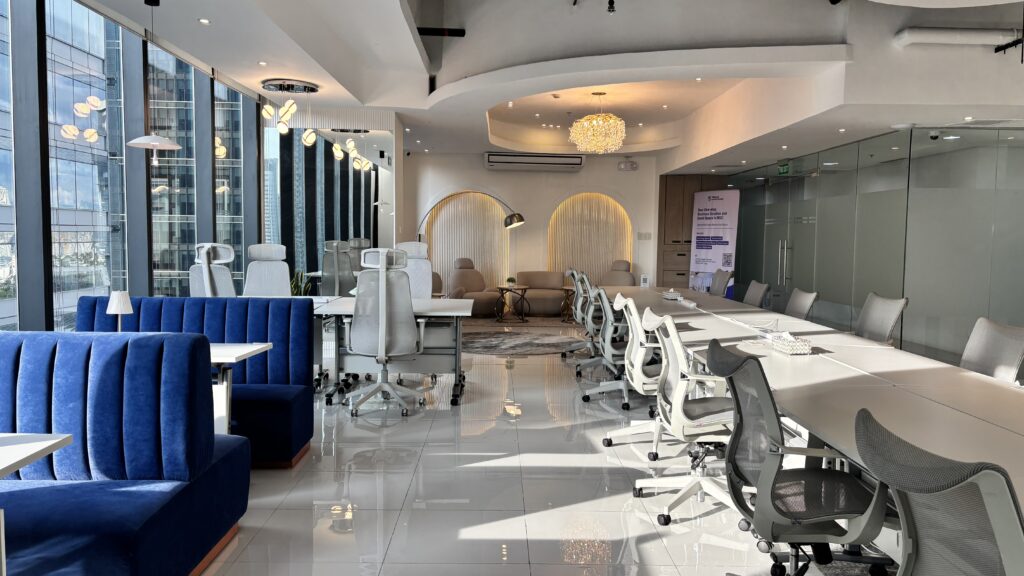
There was a time when getting a traditional office felt like a milestone. Long lease. Glass walls. Reception desk. Conference room nobody used half the time. It looked successful from the outside. Behind the scenes, many businesses were drowning in overhead. The workplace has changed dramatically over the last few years, but many companies still operate using outdated assumptions about office space. Executives are no longer asking, “How big should our office be?” They are asking better questions now. How flexible can we stay? How fast can we scale? How do we keep talent engaged? How do we maintain presence without locking ourselves into expensive commitments? That shift is exactly why demand for coworking space BGC continues to rise among startups, SMEs, consultants, remote teams, creative firms, and even established corporations. This is no longer a trend driven by freelancers with laptops. It is a strategic operational decision. And executives who understand where business is heading are moving early. The Traditional Office Model No Longer Matches Modern Business The old office model was built around permanence. Five-year leases. Heavy upfront costs. Renovation expenses. Utility contracts. Furniture investments. Administrative overhead. That setup made sense when businesses operated predictably. Most companies do not operate that way anymore. Markets move faster. Teams scale unpredictably. Hiring shifts quickly. Remote and hybrid work changed employee expectations permanently. Even enterprise companies now prioritize flexibility over rigid infrastructure. Yet many businesses still commit to oversized offices they barely maximize. Empty desks became one of the most expensive symbols of outdated management. A coworking space BGC setup solves this differently. Instead of treating office space as a long-term burden, companies use workspace as an adaptable operational asset. That difference matters financially. But it matters even more strategically. BGC Became the Center of Modern Business Culture Location still matters. Anybody saying otherwise has probably never closed a major client, pitched investors, or built high-value partnerships in person. Bonifacio Global City remains one of the most important business districts in the Philippines because it combines accessibility, prestige, infrastructure, and business activity in one ecosystem. That environment changes perception instantly. A company operating inside BGC signals ambition, professionalism, and growth. That is one reason why both local startups and foreign companies prioritize establishing presence there, whether through a virtual office, private office, or coworking space BGC provider. But beyond branding, BGC offers something more important. Density. Decision-makers are there. Founders are there. Agencies, tech firms, consultants, law offices, financial institutions, and investors are there. That concentration creates opportunities naturally. Sometimes the most valuable business conversations happen outside formal meetings. Inside elevators. At networking events. In shared lounges. Over coffee between schedules. Traditional offices isolate companies. Coworking environments create proximity. That difference becomes powerful over time. Executives Want Flexibility Without Looking Small This is where coworking evolved dramatically. Years ago, coworking spaces were associated mainly with freelancers and small startups trying to save money. That perception is outdated. Today, many established companies intentionally choose coworking setups because flexibility creates strategic advantage. Executives are no longer interested in wasting capital on unnecessary office infrastructure if those resources can be invested into hiring, marketing, technology, or expansion. A coworking space BGC environment allows businesses to maintain premium presence without operational rigidity. That matters during uncertain markets. If the team grows, expansion becomes easier. If operations shift hybrid, downsizing becomes manageable. If a project team only needs temporary workspace, the company avoids long-term liabilities. Modern executives value optionality. Coworking delivers exactly that. Hybrid Work Changed Employee Expectations Permanently Many leaders tried forcing employees back into old workplace structures. Some succeeded temporarily. Many failed quietly. The reality is simple. People still value collaboration and physical interaction. But they no longer want rigid office systems that ignore flexibility completely. This created a middle ground. Coworking became one of the strongest solutions for hybrid operations because it combines professional infrastructure with adaptability. Teams can collaborate in person when needed while still maintaining flexible work arrangements. Employees gain access to productive environments without feeling trapped inside corporate systems designed decades ago. This matters heavily for younger professionals and high-performing talent. Strong employees increasingly prioritize autonomy, environment, accessibility, and workplace culture. A stale office with fluorescent lights and empty cubicles no longer inspires anybody. A thoughtfully designed coworking space BGC environment feels different entirely. It feels alive. Cost Control Became a Leadership Priority Executives today are under pressure to operate leaner without slowing growth. Office costs became one of the first areas companies started reevaluating aggressively. And honestly, many traditional office expenses make little sense anymore. Long-term lease deposits. Renovation costs. Maintenance contracts. Internet installation. Reception staffing. Utilities. Furniture procurement. Security systems. Cleaning services. The list never ends. A coworking space BGC setup compresses those operational layers into a single manageable structure. Businesses gain professional infrastructure immediately without absorbing the full financial burden of building everything independently. For growing companies, that changes cash flow significantly. Capital stays available for growth initiatives instead of disappearing into fixed operational commitments. That flexibility becomes extremely valuable during expansion stages. Small Teams Operate Better Inside Dynamic Environments Isolation affects businesses more than leaders realize. Many startups initially assume private offices improve focus and professionalism. Sometimes they do. But smaller teams often perform better inside environments with energy, movement, and interaction. Coworking spaces naturally create that atmosphere. You see founders building companies. Agencies pitching clients. Tech teams brainstorming. Entrepreneurs networking. Investors dropping by meetings. That environment creates momentum psychologically. Especially for startups and growth-stage businesses. Energy matters. Ambition becomes contagious inside the right environment. This is one reason many businesses remain inside coworking ecosystems even after they can technically afford traditional offices. They recognize the value of staying connected to a larger business community. Coworking Spaces Improve Client Perception Clients absolutely notice environment. Not consciously all the time, but perception shapes trust heavily. Walking into a premium coworking space BGC location creates a completely different impression compared to meeting inside noisy cafes, improvised home offices, or outdated commercial buildings. Professional meeting rooms matter. Reception
When Should a Small Business Move From a Virtual Office to a Real Office Space?
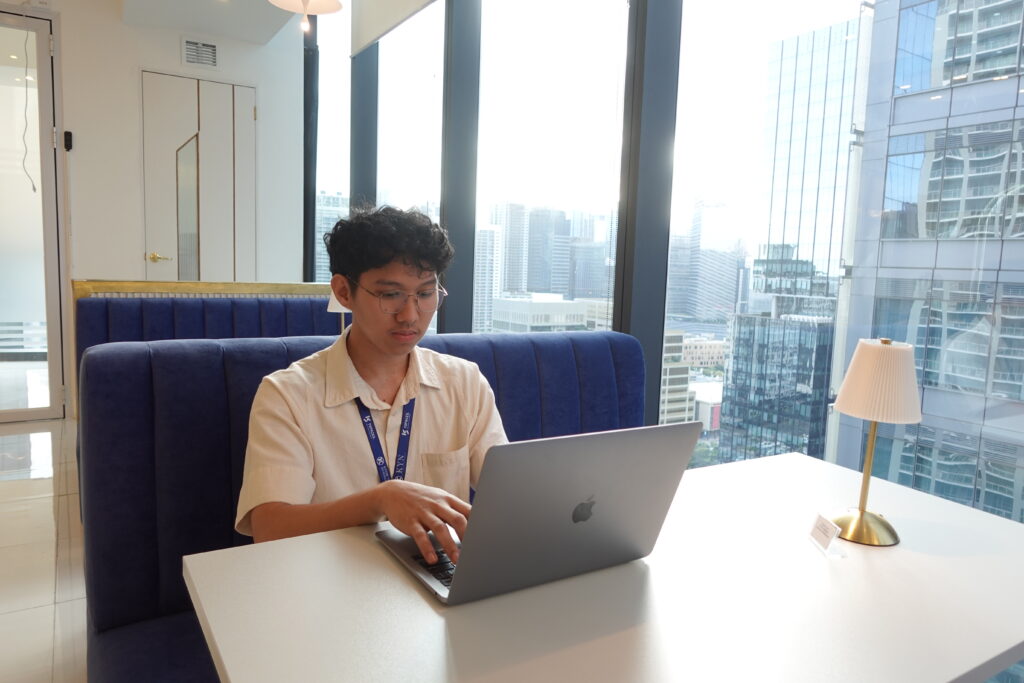
Virtual office is one of the smartest business decisions a founder can make early on. You get a professional address, lower operating costs, mail handling, and credibility without burning cash on rent, fit-outs, furniture, and long-term leases. For startups, consultants, agencies, remote teams, and even foreign-owned companies entering the Philippine market, a Virtual Office BGC setup often makes more sense than forcing a traditional office too early. The problem starts when the business evolves, but the setup does not. At some point, growth creates friction. Communication gets messy. Clients expect more. Hiring becomes harder. Operations feel fragmented. What once saved money starts quietly slowing the company down. That is usually the moment founders start asking the real question: Is it finally time to move into a physical office? Not because it looks impressive. Not because other businesses are doing it. But because the company has reached a stage where space becomes operational leverage. The best entrepreneurs understand this transition clearly. A real office is not a status symbol. It is infrastructure. A Virtual Office Makes Sense, Until It Doesn’t Most startups begin lean. That is reality. A founder working from home with a laptop does not need a 100 sqm office in BGC. Spending aggressively too early kills momentum. Cash flow matters more than appearance during the early stage. That is why many companies start with a Virtual Office BGC provider. It gives them access to a premium business address while keeping overhead under control. More importantly, it creates legitimacy during company registration, invoicing, client presentations, and banking applications. For many businesses, especially digital-first companies, that setup can work for years. But growth changes behavior inside a company. The founder who used to handle everything alone now manages people. Sales calls turn into investor meetings. Slack messages become operational bottlenecks. New hires need onboarding. Sensitive conversations need privacy. Teams need alignment. This is where many small businesses start noticing cracks. Not dramatic problems. Small operational leaks that compound over time. Employees become disconnected. Meetings become repetitive because communication is scattered. Company culture weakens because nobody feels part of something real. Even clients begin noticing the lack of structure. A virtual office solves credibility. It does not solve operational maturity. Your Team No Longer Functions Well Remotely This is usually the clearest signal. Remote work sounds efficient until collaboration starts suffering. You see it in delayed approvals, unclear responsibilities, duplicated work, and endless follow-ups. Teams stop moving with urgency because communication becomes fragmented across chat apps, emails, calls, and video meetings. The bigger issue is accountability. When a business is still small, founders can manually manage everything. Once the team grows beyond a handful of people, that approach collapses fast. An actual office creates rhythm. Not because employees need to be watched. Strong teams do not require micromanagement. But physical proximity accelerates decision-making in ways remote communication never fully replicates. Quick discussions happen naturally. Problems get solved faster. Leadership becomes visible. New hires absorb company culture more effectively. This becomes even more important for client-facing businesses like agencies, consulting firms, recruitment companies, legal firms, marketing companies, and tech providers. At some stage, physical presence stops being optional. It becomes operationally necessary. Clients Start Expecting More Professional Engagement Many founders underestimate this. A premium business address through a Virtual Office BGC solution creates a strong first impression. But eventually, larger clients want more than an address. They want meeting rooms. They want face-to-face strategy sessions. They want to know your company has real infrastructure behind it. This becomes critical when dealing with enterprise clients, foreign partners, investors, or high-value contracts. A serious office environment changes perception immediately. The conversation shifts from “small startup” to “established company.” That shift matters more than many entrepreneurs admit. Clients associate physical space with stability. Whether fair or unfair, that perception affects trust, contract sizes, and long-term partnerships. Especially in industries where credibility directly impacts revenue. Hiring Strong Talent Gets Harder Without a Real Workspace Top employees evaluate companies differently now. Salary still matters. Flexibility matters. But talented people also want environment, energy, and culture. A serious office space in BGC sends a message. It tells candidates the business is growing. It tells them leadership is investing in infrastructure. It creates confidence that the company is stable enough to scale. This matters heavily for startups competing against larger firms for talent. Good people are not only looking for jobs. They are looking for direction. A real office becomes part of that signal. Even hybrid companies benefit from this. Employees may not report daily, but having a central workplace creates identity. It gives teams a place to collaborate, onboard, brainstorm, and connect. Without that, businesses often feel temporary, even when revenue is strong. You Are Already Spending Close to Office-Level Costs This is where many founders get surprised. They assume staying fully remote is significantly cheaper forever. Then the hidden costs begin stacking up. Coworking passes. Multiple subscriptions. Remote collaboration tools. Travel reimbursements. Client meeting venues. Storage costs. Team offsites. Productivity losses. Equipment duplication. Eventually, the gap between virtual operations and a managed office becomes smaller than expected. That is why many growing businesses transition gradually. They move from a Virtual Office BGC arrangement into a coworking environment first. Then into private offices once the team stabilizes. This phased approach protects cash flow while still improving operations. Smart companies do not jump from zero to oversized headquarters. They scale space strategically. Business Registration Requirements Become More Complex Another overlooked factor is compliance. Many startups begin with a virtual address for Business Registration BGC requirements because it is efficient and affordable. It allows entrepreneurs to legally register without carrying the financial burden of a traditional office lease. That works extremely well during the early stages. But as companies expand, operational requirements evolve. Government registrations become more detailed. Client audits become stricter. Financial documentation increases. Regulatory expectations rise depending on the industry. Some businesses eventually need dedicated physical premises to support operational activities, inventory handling, employee scaling, or licensing